Critical Thinking in Politics
Critical thinking in Politics plays a vital role in navigating the complexities “of the game” by helping individuals analyze rhetoric, claims, and political strategies. In the area of political rhetoric and manipulation, critical thinkers recognize how language can be used to obscure truth or mislead, such as through doublespeak or euphemisms, and they learn to spot emotional manipulation like fear-mongering or scapegoating. When evaluating unsubstantiated claims, critical thinkers apply rigorous fact-checking and rely on credible sources to assess political promises and accusations. In the context of voting, they critically evaluate political platforms, speeches, and debates while being aware of how confirmation bias can shape political decisions, ensuring a more informed and objective approach to political participation.
Examples for application in politics
- Political Rhetoric and Manipulation: How political language can obscure meaning or mislead (e.g., doublespeak, euphemisms). Spotting emotional manipulation (fear-mongering, scapegoating).
- Identifying Unsubstantiated Claims: How to evaluate political promises and accusations. Fact-checking and reliable sources.
- Critical Thinking in Voting: How to critically assess political platforms, speeches, and debates. The role of confirmation bias in political choices

how to check if a photo is real
Five minutes, five checks: how to check if a photo is real You don’t need forensic
Is AI out of control already?
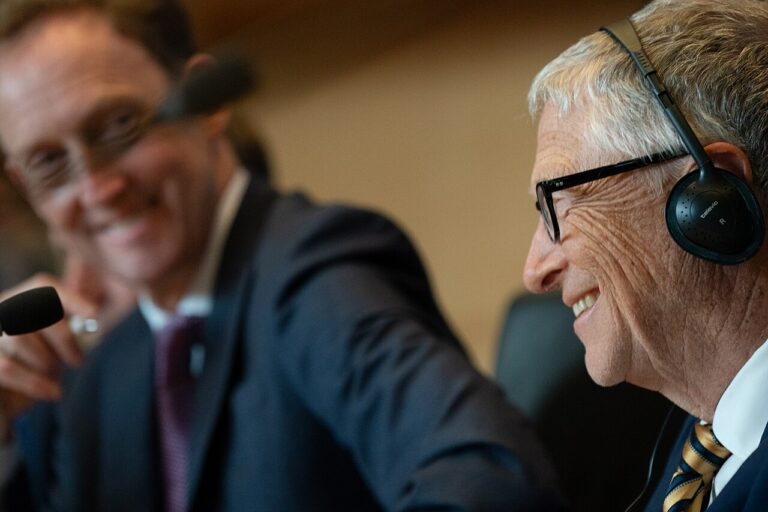
Bill Gates says every line we promised to defend has already been crossed, and that he is deafened by the silence. The capability claims check out, largely from the developers’ own disclosures. The silence does not: worry is at a recorded high. What is missing is not concern but consequence.

Iceland’s EU referendum: the most exposed country in the North Atlantic voted about fish
Iceland has no army and sits on the GIUK gap. On 29 August it voted about fish. The same facts support two opposite conclusions, and the disagreement lives upstream of the evidence.
Staged violence versus real violence. Does one produce the other?
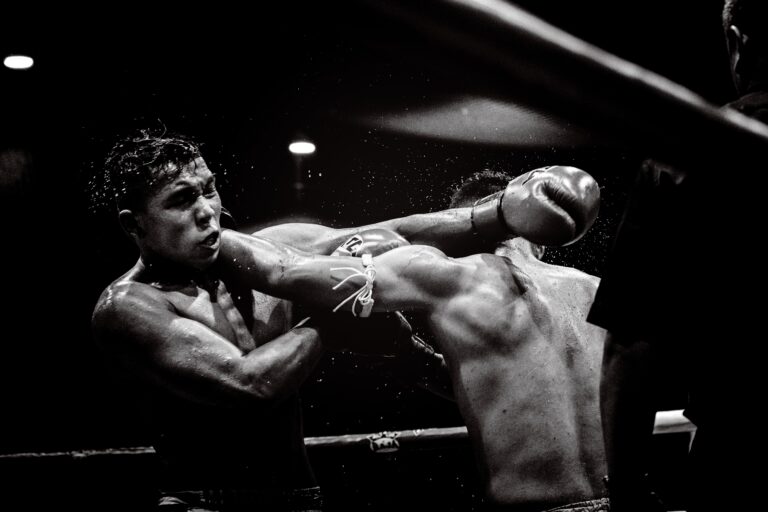
On the evening of 25 July 2026, a van was driven into the crowd at Berlin’s

Is “Disruption” what we witness?
AI is moving faster than anyone predicted — understand “disruption” What can you expect from this

The Invisible Voter is a scary by product of AI
What can you expect from this article about AI’s impact on voting In March 2026, Danish