Critical Thinking in Science

Critical Thinking Science

A study becomes a headline in two steps, and both of them lose something.

A study reaches the public in two steps: a press release written by the institution that funded it, and a rewrite by someone who did not read the paper. Both steps lose something, and what survives is usually the part that sounded most surprising. The section explores the scientific method as a foundation for sound judgments, focusing on tools like peer review and replicability to evaluate scientific claims effectively. Additionally, it addresses critical thinking in environmental issues, teaching readers how to assess debates on climate change, energy, and sustainability while identifying logical fallacies in environmental arguments.

Examples for application in science

  • Understanding Scientific Literacy: How science is often misrepresented in media. Differentiating between credible research and pseudoscience.
  • The Scientific Method: Why it’s crucial for sound judgments. How to evaluate scientific claims (peer review, replicability, etc.).
  • Environmental Issues: How to critically evaluate debates on climate change, energy, and sustainability. Spotting fallacies in environmental arguments.
Back to home
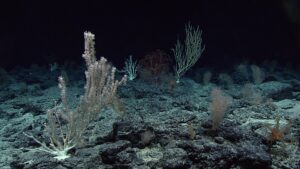
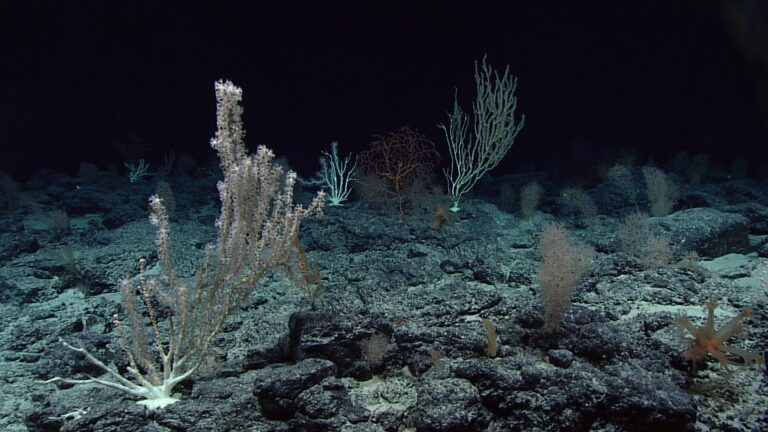
Deep-sea coral community photographed by ROV on Wagner Seamount in the Pacific
Leadership & Decisions

Is exploring the deep ocean a smart thing to do?

We have looked at one thousandth of one per cent of the deep seafloor. It carries almost all the data that crosses an ocean, it holds more than 90 per cent of the heat we have added to the planet, and it is how we know the sea outside your own window is in trouble.
Read More »
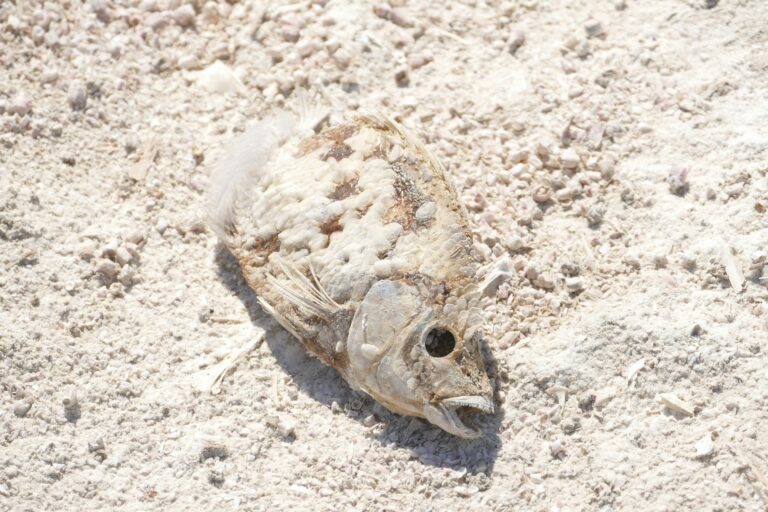
Sea dying of pollution and lack of oxygen. Dead fish on beack
Climate change

Is the sea dying?

In late summer 2024 an area of Danish sea larger than Zealand ran out of oxygen. The mechanism is well understood, it has been reversed once at enormous scale, and the reason it keeps getting worse is not the one most people reach for.

Read More »

Latest from Critical Thinking

Deep-sea coral community photographed by ROV on Wagner Seamount in the Pacific

Is exploring the deep ocean a smart thing to do?

We have looked at one thousandth of one per cent of the deep seafloor. It carries almost all the data that crosses an ocean, it holds more than 90 per cent of the heat we have added to the planet, and it is how we know the sea outside your own window is in trouble.

Read More
Is AI out of control already? Bill-Gates-Chairman-of-the-Gates-Foundation-Wiki-Commons.

Is AI out of control already?

Bill Gates says every line we promised to defend has already been crossed, and that he is deafened by the silence. The capability claims check out, largely from the developers’ own disclosures. The silence does not: worry is at a recorded high. What is missing is not concern but consequence.

Read More
Sea dying of pollution and lack of oxygen. Dead fish on beack

Is the sea dying?

In late summer 2024 an area of Danish sea larger than Zealand ran out of oxygen. The mechanism is well understood, it has been reversed once at enormous scale, and the reason it keeps getting worse is not the one most people reach for.

Read More

Can AI Extend Your Thinking?
The Reality Behind AI

Sign up for our newsletter and get this book in PDF to diving into one of the most pertinent topics right now. Learn this and more:

  • Independent Judgment. Where AI approaches human-level judgment and where it fails spectacularly.
  • Error Detection: What errors AI catches reliably and what it misses completely

Sign up now and the book will be in your mail shortly.